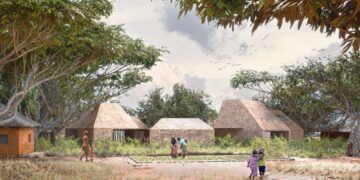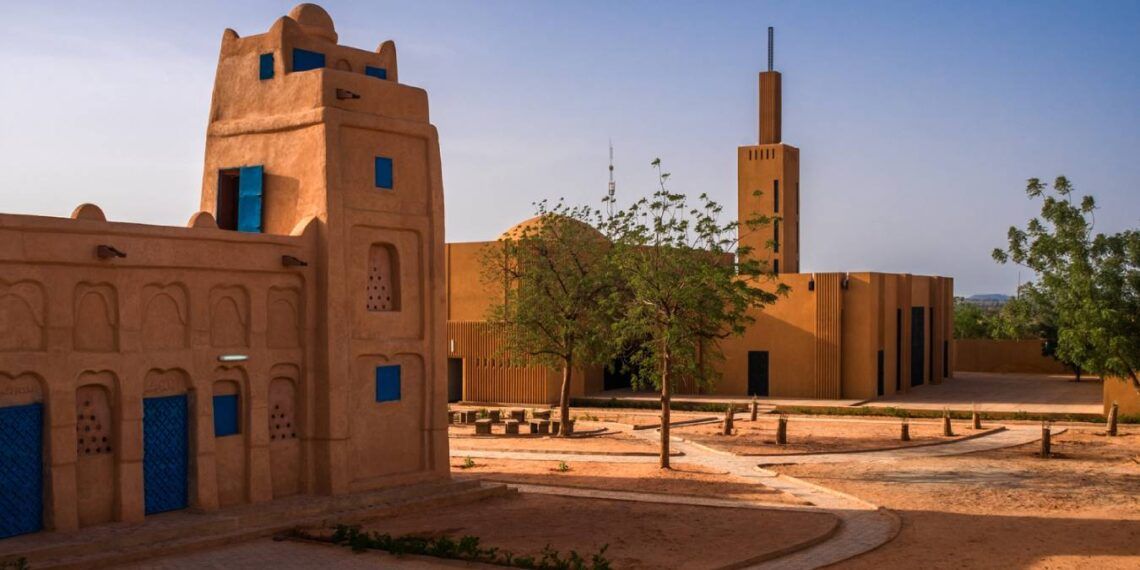
Hikma Community Complex / Mariam Issoufou Architects + studio chahar. © James Wang
.
Architecture with Roots
In a context marked by the climate crisis, rapid urbanization, and the loss of cultural reference points, African architecture offers a powerful response. In many cases, it reminds us that complex technologies or large budgets are not necessary to build with meaning. It shows that sometimes the best solutions already existed: they emerged from the ground, were passed down through generations, and remain alive in communities that understand how to inhabit without causing harm.
.
Design Born from Understanding the Environment
Across Africa, traditional architecture has responded intelligently to extreme conditions, making the most of available resources. Mud walls that keep spaces cool, roofs that channel rainwater, courtyards that allow ventilation without electricity. Each of these elements is functional, but also reflects a cultural logic and a deep relationship with the environment.
It is not just about technique. These structures express a way of being in the world: connected to the climate, the land, and the rhythms of daily life.

Timeless Principles, Local Expressions
Although materials and forms vary between regions, there are common principles that define many traditional African architectures:
Collective building, strengthening social and community bonds.
Conscious use of local materials, chosen not only for availability but for their symbolic and environmental significance.
Passive efficiency, where spaces function without reliance on external technology.
The cultural value of space, with orientations, colors and decorative patterns that communicate identity.
These architectures are not a legacy of the past to be preserved with nostalgia; they continue to offer relevant, intelligent and deeply human responses.
.
Contemporary Reinterpretations
Today, a new generation of African architects takes that wisdom as a starting point: they do not replicate it, they interpret it. Through their work, they create contemporary architecture connected to their context, capable of generating social and environmental impact without losing identity.
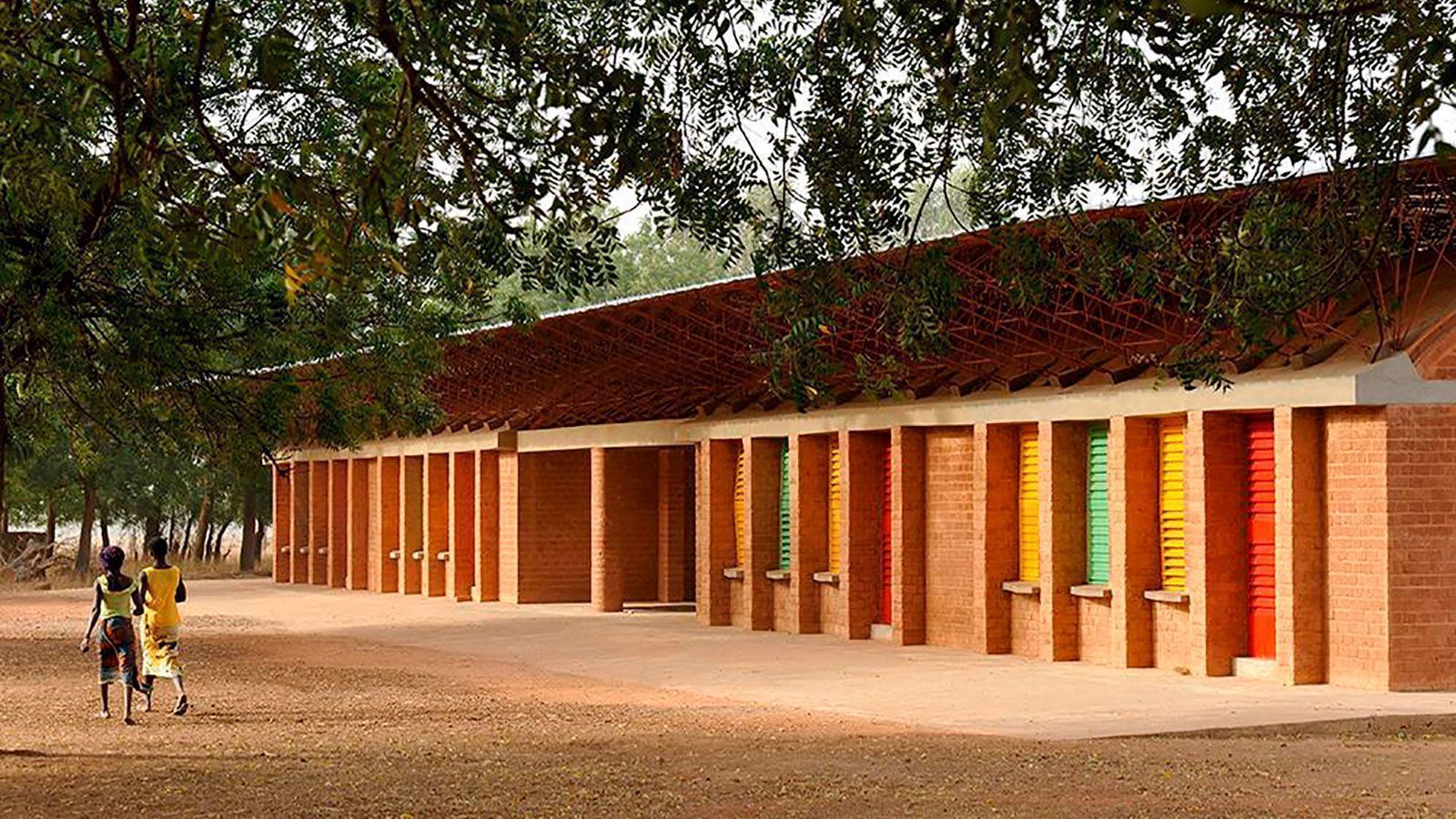
The Earth as Foundation in the Work of Francis Kéré
Francis Kéré, originally from Burkina Faso and the first African to receive the Pritzker Prize, clearly represents this approach. His project for the Gando Primary School, built in his home village with local earth and community participation, not only provides comfort and beauty but also generates employment and reinforces local autonomy.
Kéré shows that modernity does not need to come from outside. It can emerge from within: from local knowledge, from the earth, and from collective work.
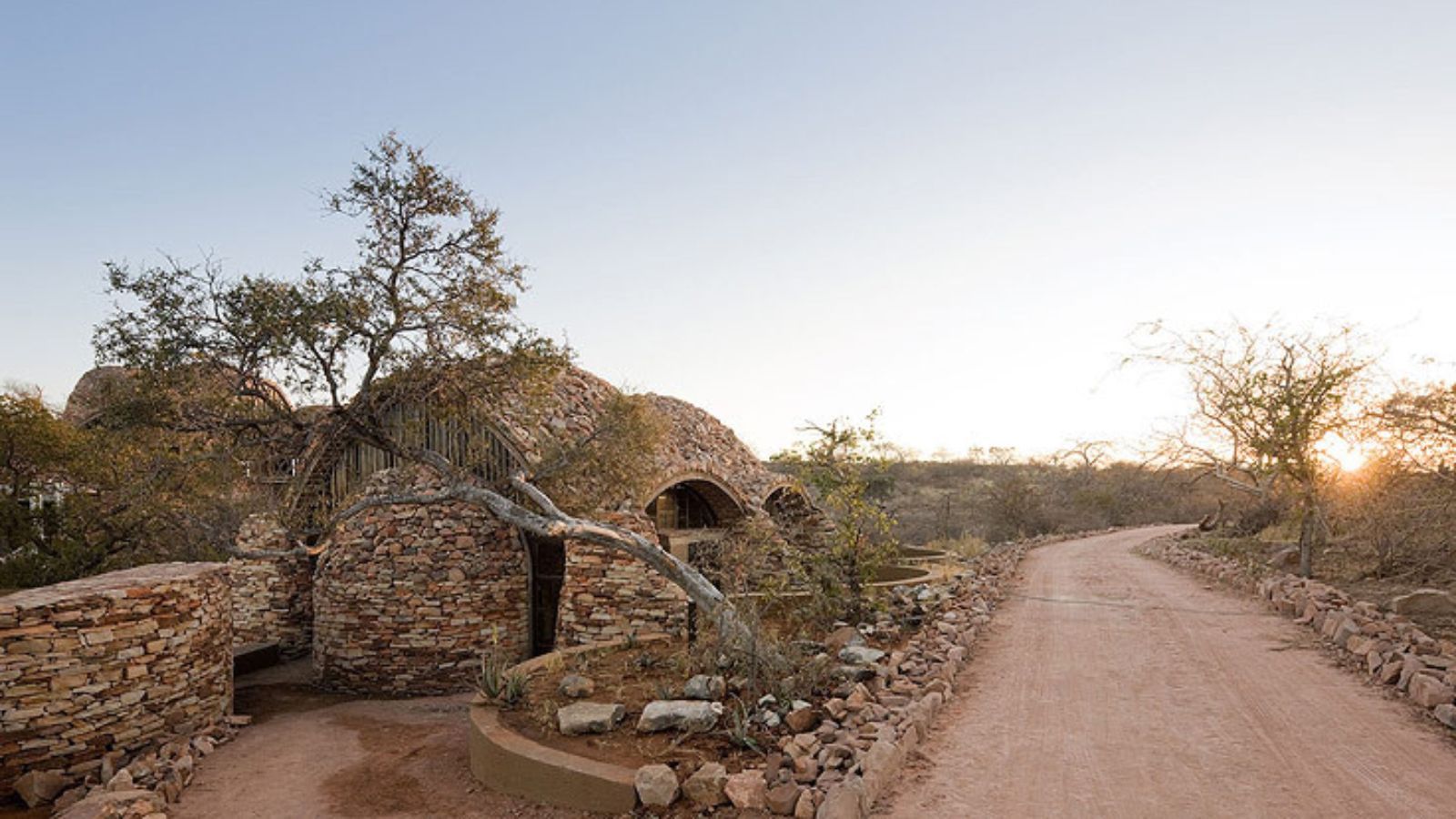
Peter Rich: Geometry Rising from the Landscape
In South Africa, Peter Rich took this approach to a different scale with the Mapungubwe Interpretation Centre. The compressed-earth brick domes trace an organic geometry that seems to continue the landscape. In this project, architecture and environment integrate without competing.
.
Kunlé Adeyemi: Architecture that Floats and Endures
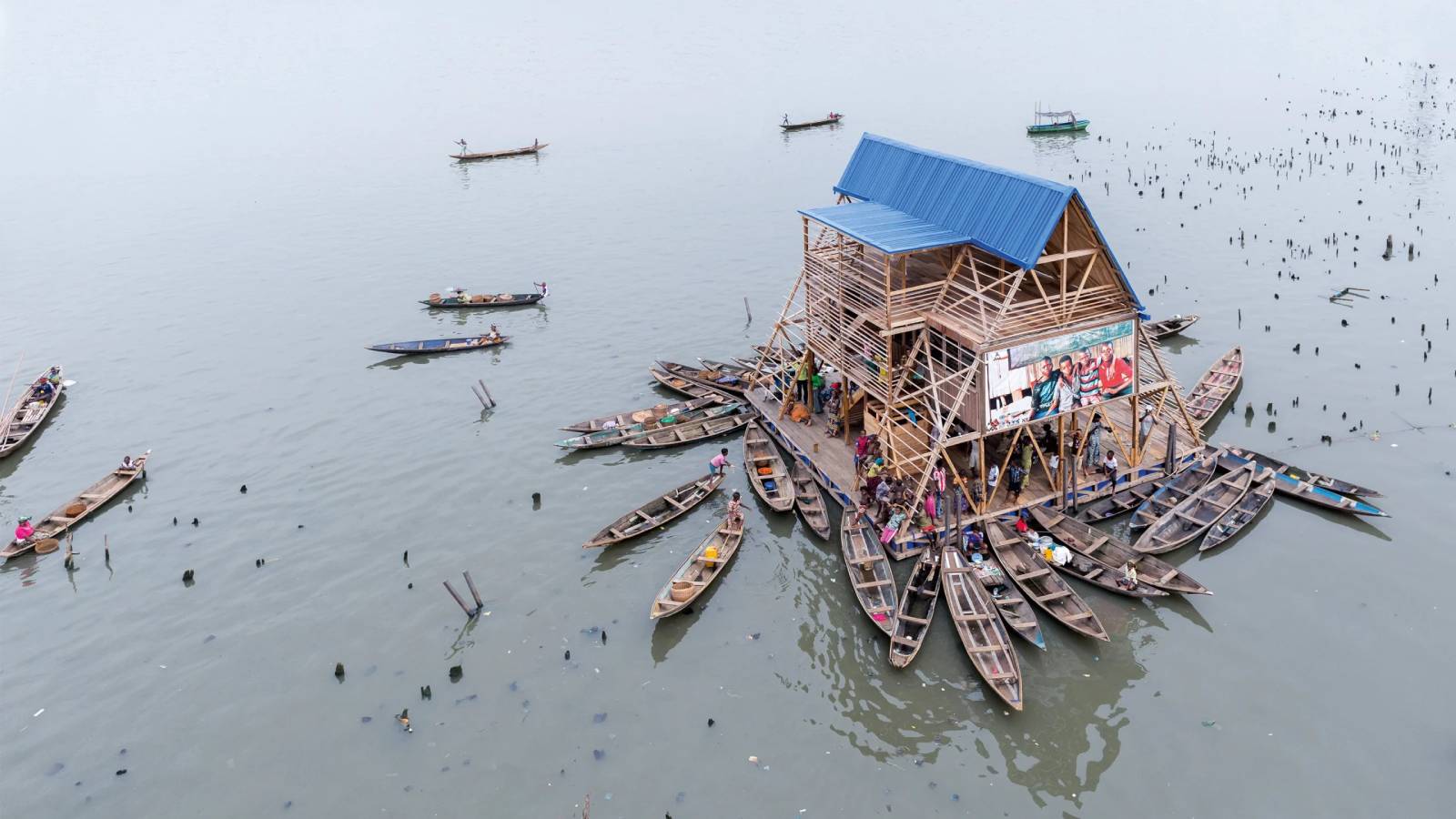
In Lagos, Nigeria, in an area where advancing water challenges traditional urbanization, Kunlé Adeyemi proposed a bold solution: building on the water. The Makoko Floating Schoolis a local response to climate change, and at the same time an affirmation of how one can build differently.
Mariam Issoufou: Sensitivity, Tradition, and Community
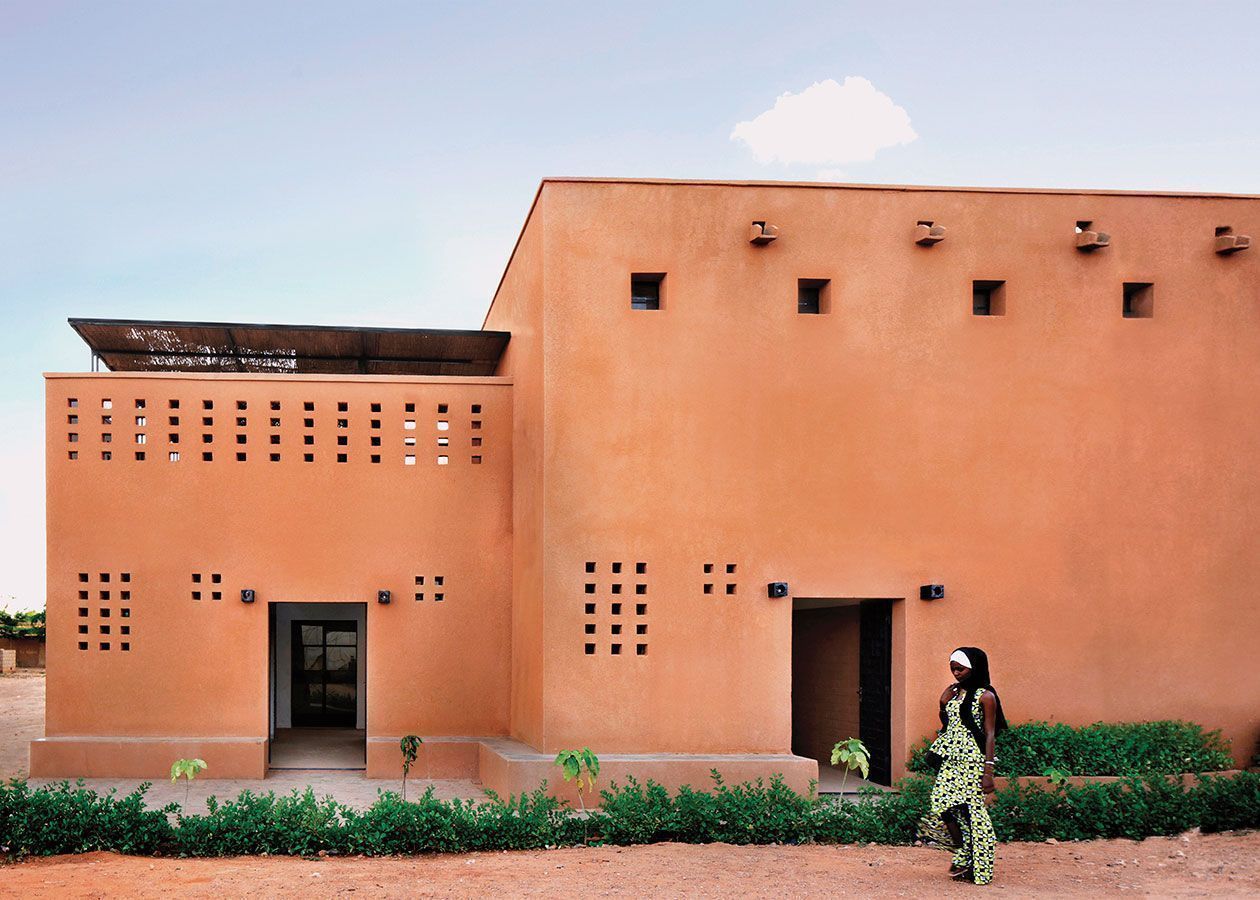
Mariam Issoufou designs with attention to context, everyday life, and what is essential. In her Niamey Cultural Center, she combines compressed earth, gentle curves, and open spaces that respond to the climate and to local ways of life.
Her architecture serves the community: as shelter, as a space for gathering, as part of a shared identity.
Tosin Oshinowo: Afro-minimalism as a bridge between identity and modernity
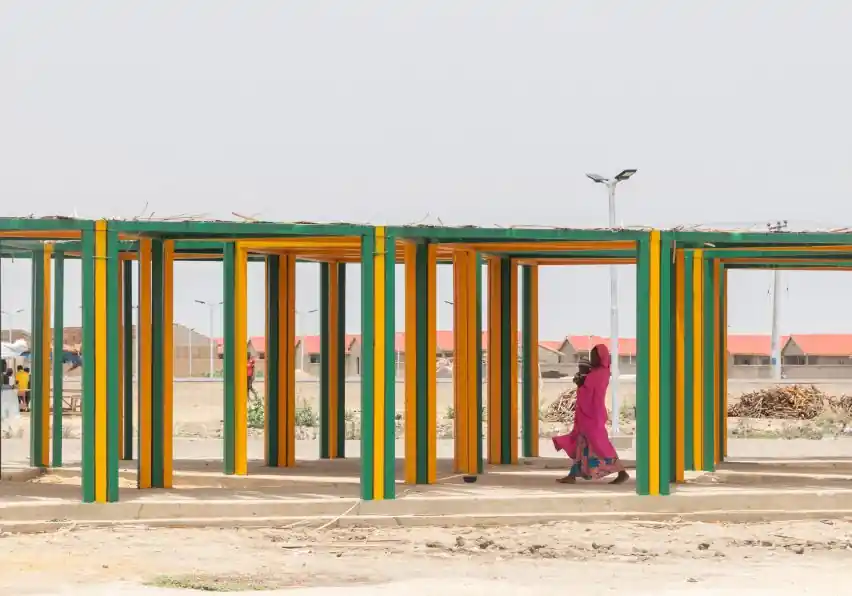
In Nigeria, Tosin Oshinowo offers a contemporary reinterpretation rooted in simplicity and cultural identity. Founder of Oshinowo Studio in Lagos, this Nigerian architect has developed her own language, which she calls “afro-minimalism”: an approach that draws from modernism but firmly anchors it in Yoruba heritage and the climatic and social realities of the continent.
Her projects combine clean lines, honest materials and a deep attention to context. From luminous seaside residences and the Maryland Mall in Lagos to the reconstruction of an entire village for a community displaced by Boko Haram —in collaboration with the United Nations Development Programme—, Oshinowo prioritises sustainability, resilience and everyday dignity. Her architecture does not copy tradition; she interprets it from within with intelligence and sensitivity, creating spaces that truly belong to those who inhabit them.
The Local as Resistance
These architectures, whether traditional or contemporary, challenge the idea that modernity must be fast, technological and globalized. Instead, they propose another way forward: building with what is close, what is known, and what is shared.
We should not view them as curious or folkloric examples. They are a real avant‑garde that innovates without breaking with its roots and proposes pathways toward the future from its core.
Modernity with Tradition as a Starting Point
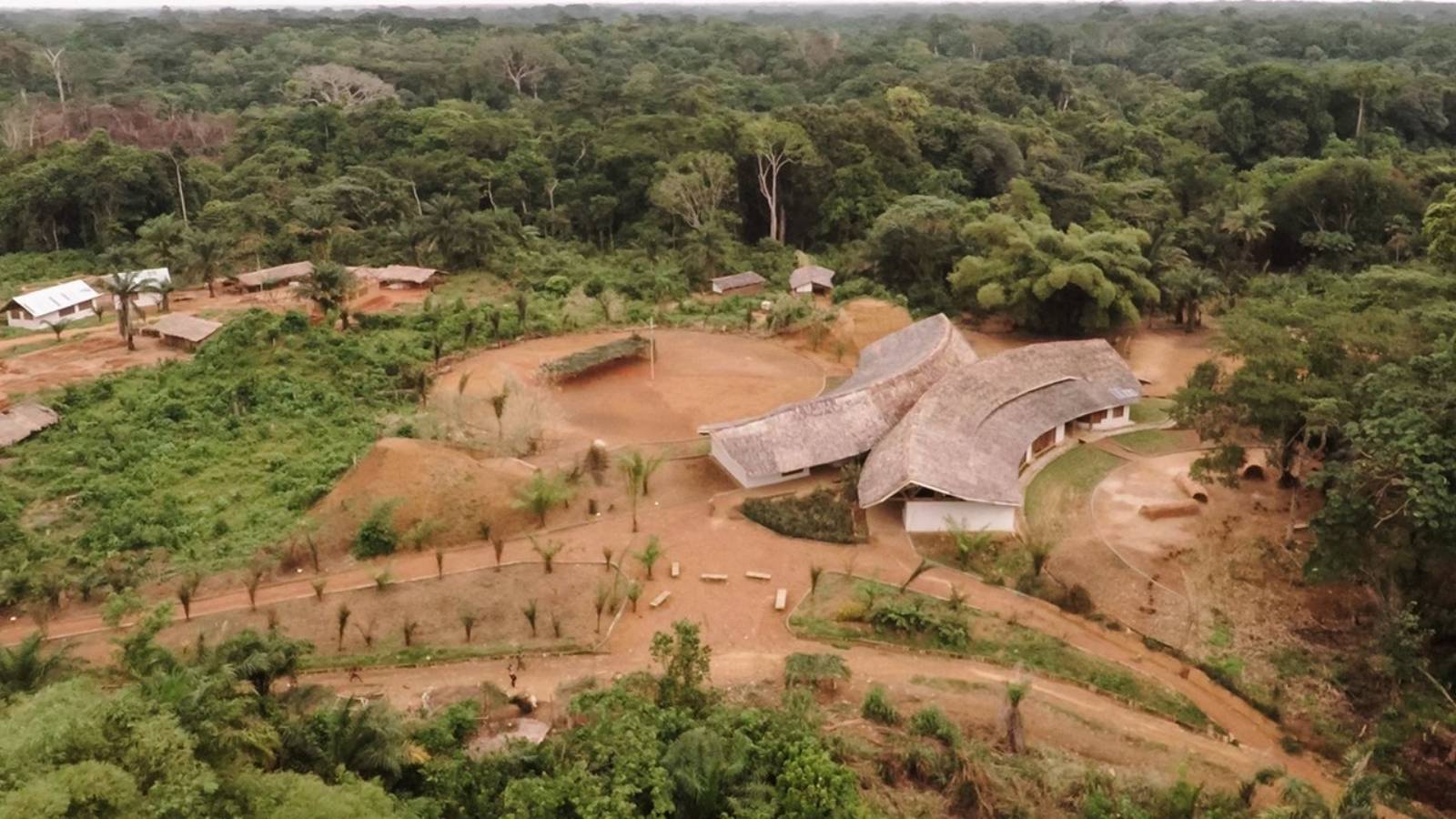
Much of contemporary African architecture does not simply limit itself to resisting or reacting against external models; it is also a solid proposal with a vision for the future. In it, tradition is not an obstacle but a foundation.
These architects not only recover knowledge; they transform it into new languages where sustainability, innovation and culture are coherently intertwined.
Modernity is not something imposed from outside, but an opportunity to adapt and project what is one’s own with codes of its own.
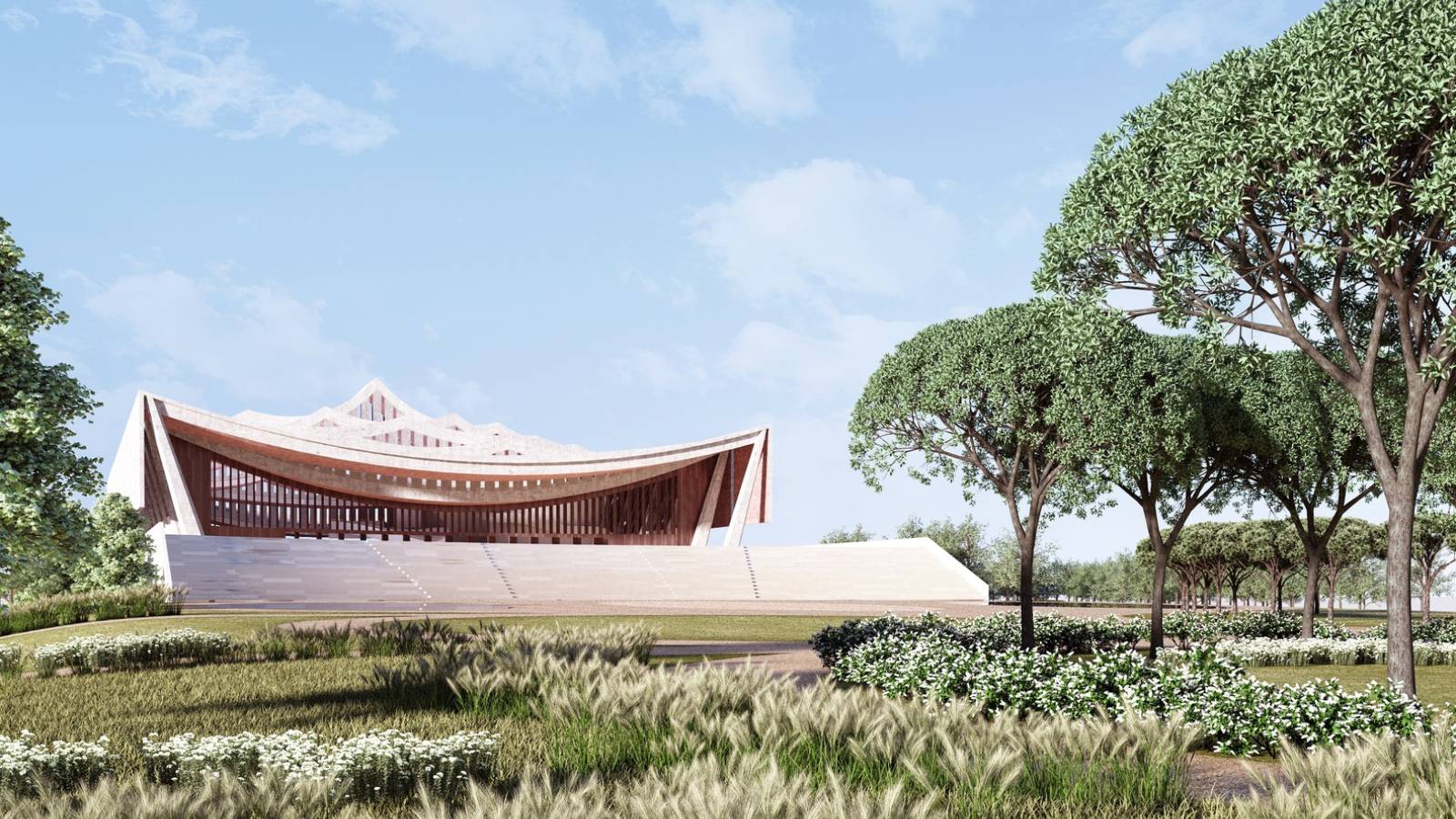
David Adjaye: African Identity with a Contemporary Key
A paradigmatic example of this integration is the work of David Adjaye, especially his design for the National Cathedral of Ghana. This building combines elements of Ashanti architecture with Christian symbolism and local materials, creating a monumental space deeply rooted in the cultural identity of the country.
A Contribution to the Global Canon
At Apsaidal we seek to raise the visibility of and promote the work of architects, designers and professionals who, like the figures mentioned above, are part of a generation committed to sustainability, social justice and cultural promotion. Their works do not only address challenges through aesthetics; they also propose a cosmopolitan design that invites us to build, imagine and inhabit the world differently.
.