UNESCO World Heritage Site since 1979.
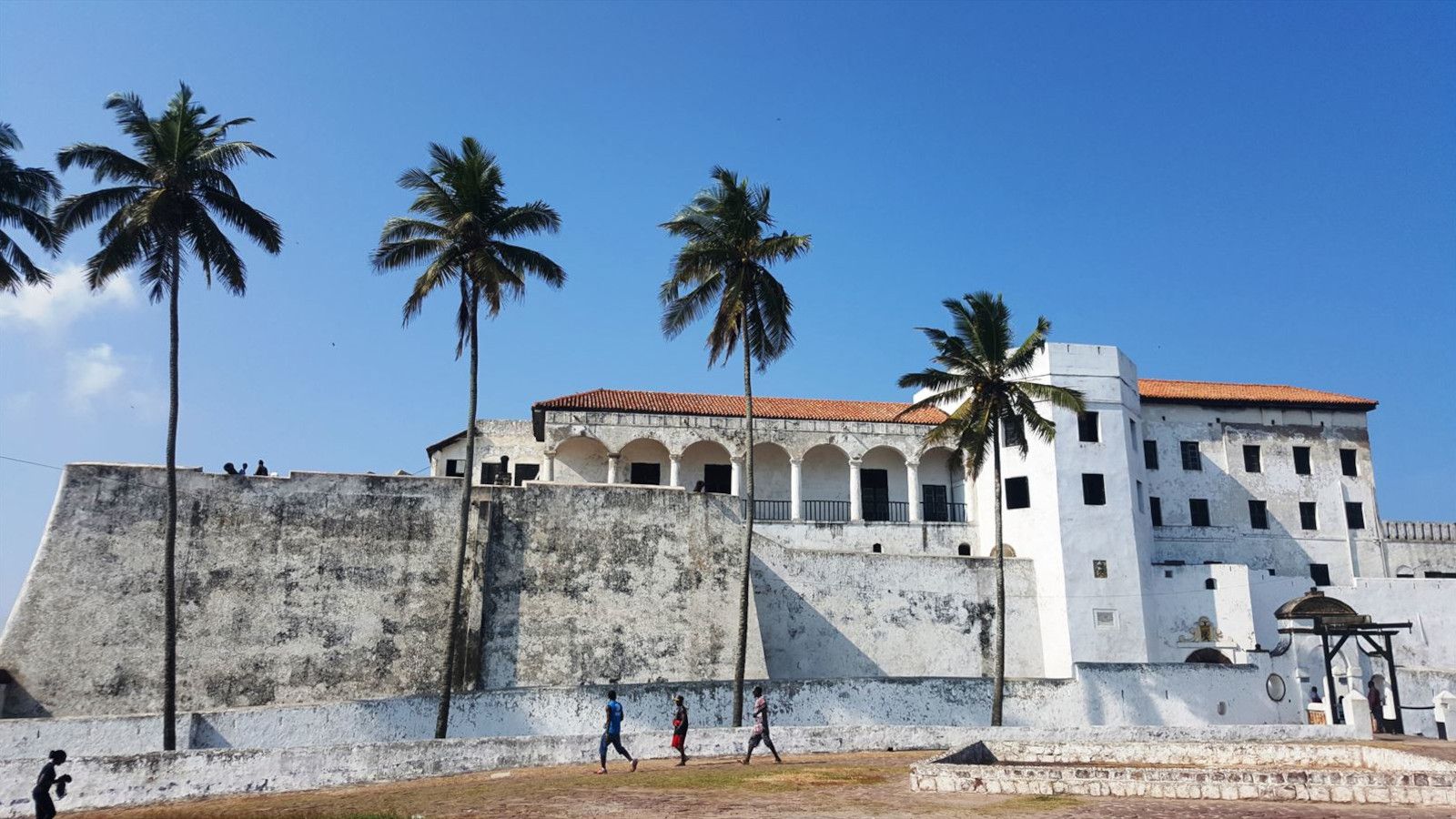
Elmina Castle, known originally as Castelo de São Jorge da Mina, is the oldest European-built structure in sub-Saharan Africa. Established by the Portuguese in 1482 as a fortified trading post, it marked the beginning of sustained European presence along the West African coast. Initially intended for commerce in gold and ivory, the castle became a notorious center of the trans-Atlantic slave trade under Dutch rule after 1637, with dungeons added to confine thousands of enslaved Africans awaiting shipment.
Constructed with local stone and lime mortar, the fortress features robust maritime defenses: seaward-facing bastions, thick ramparts, and arched passages. Above the dungeons lie elegant quarters, chapels, and storerooms—creating a stark juxtaposition between colonial power and human suffering. The Dutch expanded the original Portuguese design, reinforcing its militarized layout and enhancing storage and administrative spaces, while the British later maintained its function until Ghana’s independence.
Following the abolition of slavery and the decolonization period, Elmina Castle became a historical monument. It was restored in the 1990s through national and international conservation efforts, stabilizing its structure and establishing it as a museum. Today, it is one of Ghana’s most visited sites, a place of solemn remembrance and historical education. Visitors walk through the “Door of No Return,” dungeons, and ramparts, retracing the harrowing journey of the enslaved and reflecting on a painful yet vital chapter of global history.
Source: UNESCO World Heritage Centre, Ghana Museums & Monuments Board.