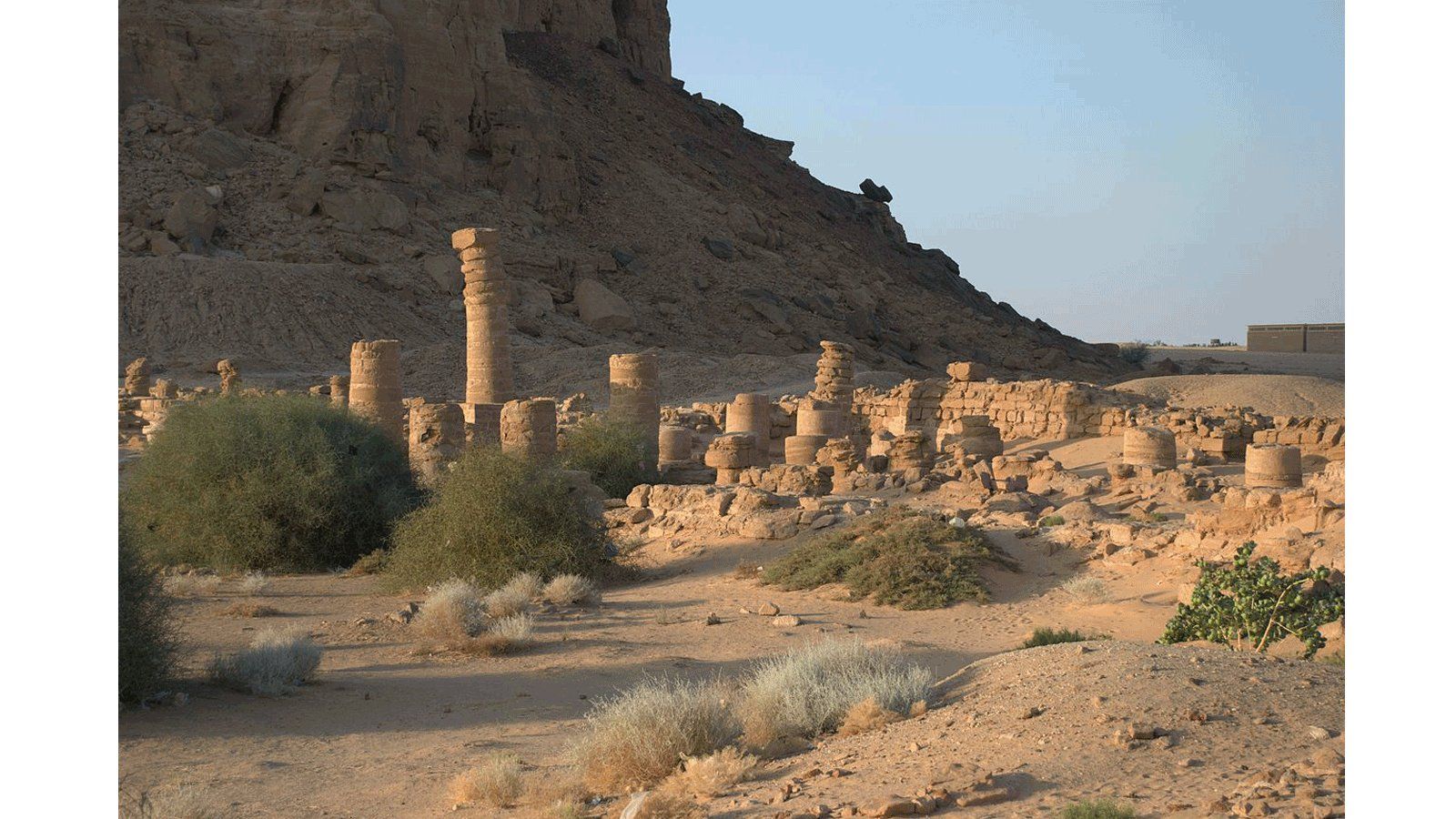
UNESCO World Heritage Site since 2003.
Gebel Barkal and its surrounding archaeological complex—spanning Kurru, Nuri, Sanam, and Zuma—form the religious and royal core of ancient Napata and Kush. Often called the “Nubian Karnak,” this UNESCO World Heritage Site, inscribed in 2003, showcases sacred temples, pyramids, palaces, and rock-cut sanctuaries that reveal a dynamic cultural dialogue between Nubia and Egypt over more than a millennium.
Gebel Barkal, a dramatic sandstone mesa rising ~100 m above the Nile floodplain, anchored the religious and political identity of ancient Kush. Initially revered in the New Kingdom as a residence of Amun, by the Napatan period it became the spiritual heart of Kushite kingship. The monumental Temple of Amun (B500), measuring 46×160 m, lies at its base, alongside temples dedicated to Mut and other deities and palatial complexes.
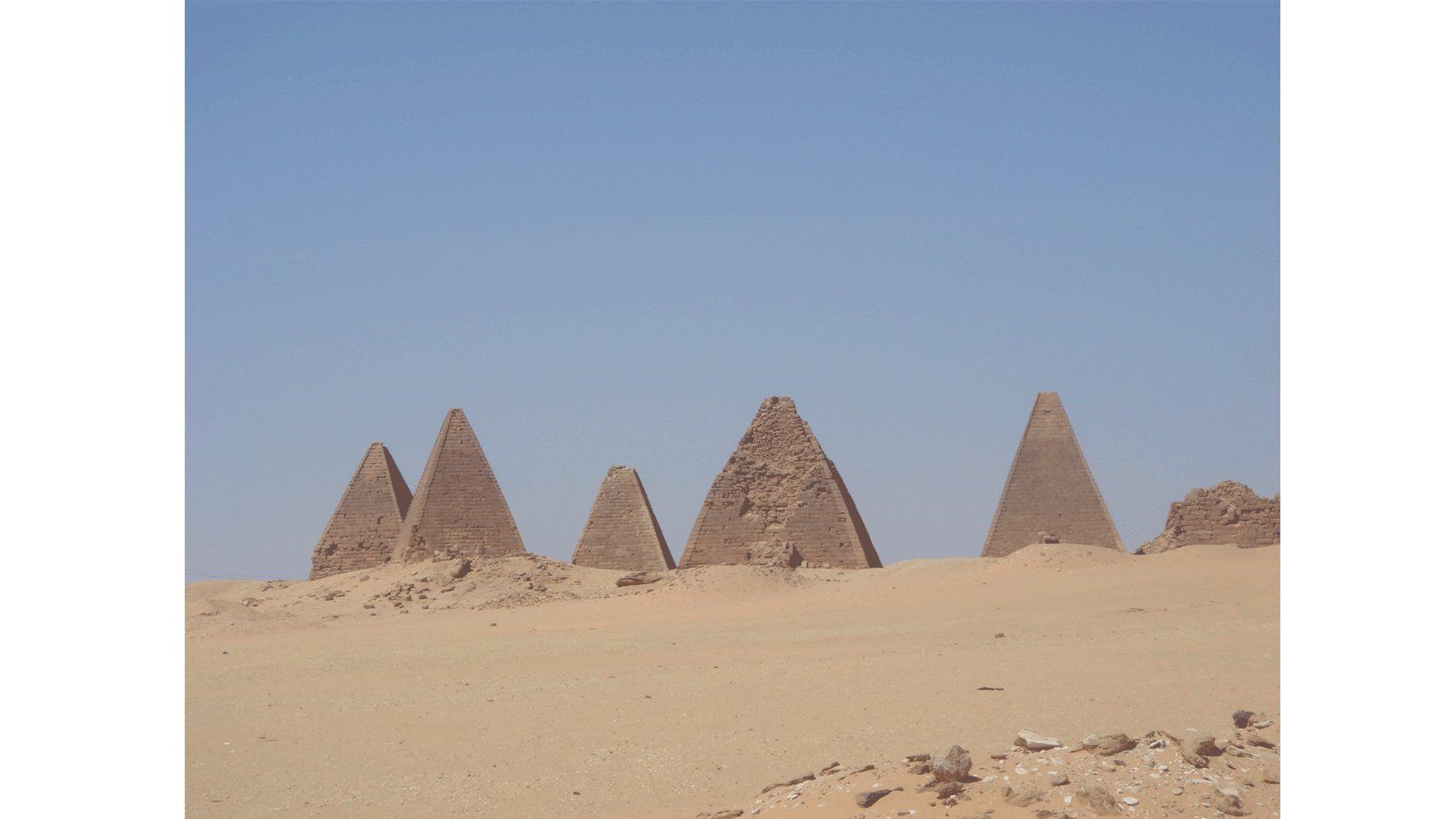
Within the broader valley lie the royal cemeteries of Kurru, where early corbel-vaulted pyramids illustrate indigenous architectural innovation, and Nuri, featuring one of Sudan’s largest Kushite royal necropolises. Sanam and Zuma sites reveal administrative, residential, and funerary structures spanning the Meroitic era.
Collectively, these sites testify to the artistic, religious, and dynastic evolution of a civilization that both adopted and transformed Egyptian iconography, language, and funerary rites. The painted reliefs, royal inscriptions, and interlocking sacred architecture reflect decades of cultural continuity and adaptation.
Despite significant erosion and some damage, the core attributes remain impressively intact. UNESCO and Sudan’s NCAM have initiated conservation at Kurru, installed shelters over rock-cut temples, and prioritized pyramids’ preservation. Yet, gaps persist—illegal access, inadequate buffer zones, and insufficient management frameworks place this heritage at risk.
.
Sources: UNESCO World Heritage Centre, Wikipedia, WorldHeritageSite.org.