UNESCO World Heritage Site since 1979.
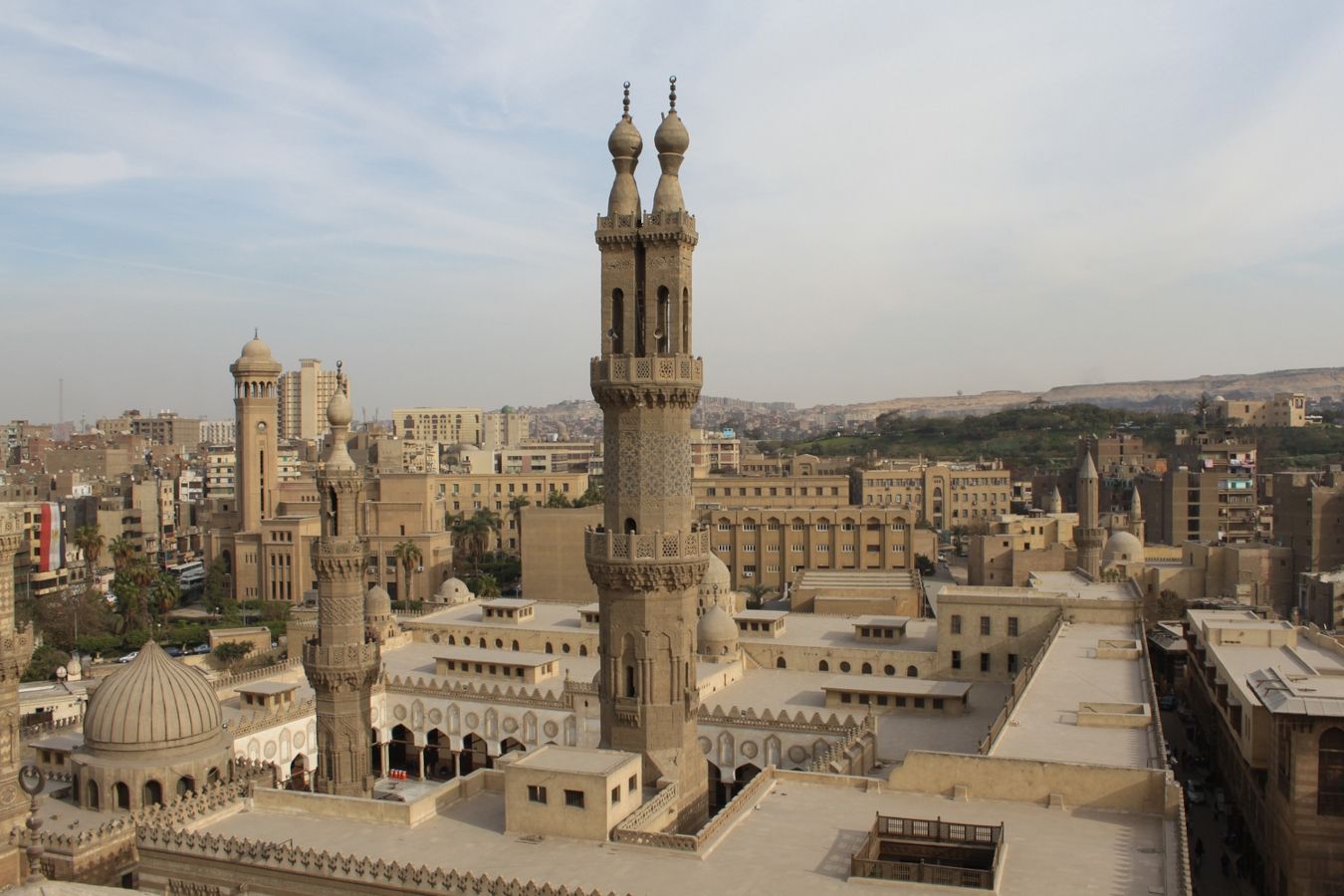
Historic Cairo, one of the most culturally and architecturally significant cities in the Islamic world, is a dense urban tapestry of sacred, civic, and residential architecture. Founded in 969 CE by the Fatimids, the city rapidly evolved into a political, religious, and commercial center under various Islamic dynasties. Earlier structures, such as the Roman Babylon Fortress and early Christian churches, provided the substratum upon which this thriving capital was built.
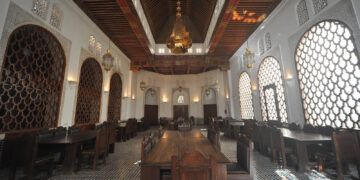
The city is renowned for its exceptional concentration of medieval Islamic monuments, including mosques, madrasas, hammams, mausoleums, and palaces. Notable thoroughfares such as al-Mu‘izz Street preserve an extraordinary sequence of architectural masterpieces from the 10th to the 16th century, including the Sultan Hassan Mosque-Madrasa and the Qalawun complex, showcasing stucco, marble, wood inlay, and muqarnas detailing.
The unique character of Historic Cairo lies in its blend of monumental architecture with a living urban fabric still inhabited by local communities. Restoration initiatives since the late 20th century have targeted both the architectural integrity of individual monuments and the revitalization of public spaces. Recent conservation efforts emphasize the adaptive reuse of heritage buildings as cultural centers and museums while safeguarding daily life and economic activity within the quarter.
Despite its rich legacy, Historic Cairo faces modern threats: uncontrolled urban growth, vehicular congestion, and environmental degradation. Yet it endures as a vibrant heritage zone—home to artisans, scholars, merchants, and worshippers—and continues to symbolize Egypt’s multifaceted historical and spiritual identity.
Source: UNESCO World Heritage Centre, African World Heritage Sites, National Organization for Urban Harmony (Egypt), Cairo Urban Conservation Project.