UNESCO World Heritage Site since 2001.
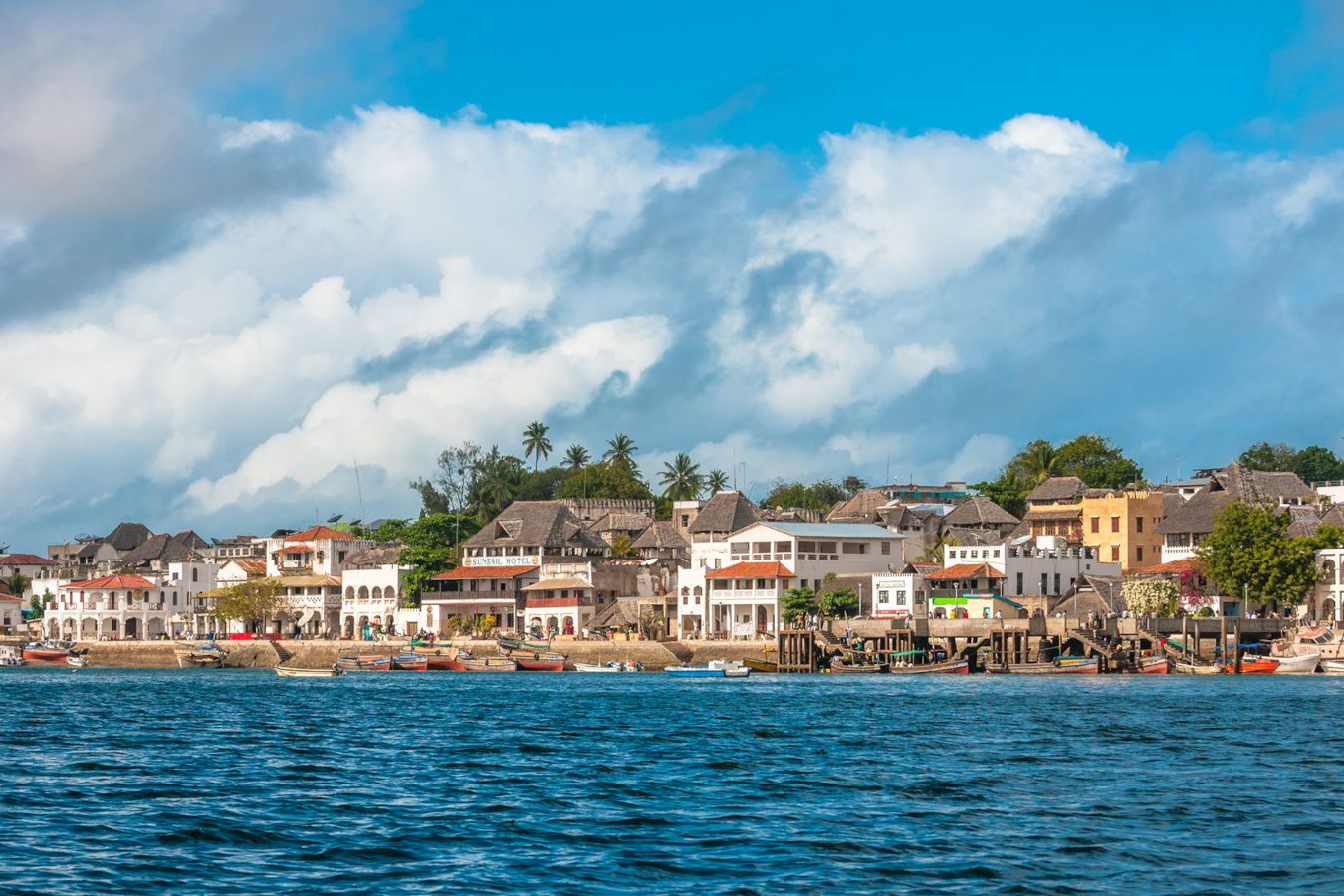
Lamu Old Town is the oldest and best-preserved Swahili settlement in East Africa, continuously inhabited for over 700 years. Located on Kenya’s northern coast, the town reflects the convergence of African, Arab, Indian, and later European architectural and cultural influences, creating a unique urban form adapted to local climatic and social conditions.
The town’s built fabric features narrow, maze-like streets suited for pedestrians and donkeys—the primary means of transport. Structures are constructed from coral stone and mangrove timber, with lime plaster finishes and elaborately carved wooden doors, latticework, and decorative niches. The spatial layout of houses emphasizes privacy, with central courtyards and rooftop terraces hidden behind thick, unadorned exteriors.
Key landmarks include Lamu Fort (built in the early 19th century), the Riyadha Mosque—an important center for Islamic scholarship in East Africa—and the Swahili House Museum, which showcases the domestic culture of the Swahili elite. The town’s socio-religious life is vibrant, anchored by Islamic traditions and festivals such as Maulidi and the Lamu Cultural Festival, which continue to attract pilgrims and visitors.
Lamu is a living town, still populated by communities of artisans, fishermen, and scholars. It retains traditional governance structures and practices, especially in architecture, where local masons use time-tested techniques to maintain coral buildings. Conservation efforts, led by Kenyan institutions and supported internationally, focus on safeguarding architectural authenticity while balancing tourism, heritage, and sustainability.
Despite threats from climate change, coastal erosion, and urban pressure, Lamu Old Town remains an exemplary model of Swahili coastal heritage and communal resilience.
Source: UNESCO World Heritage Centre, National Museums of Kenya, African World Heritage Sites.