After more than two decades of planning, design and construction, the Grand Egyptian Museum (GEM) was officially inaugurated in Giza, Egypt, on November 1, 2025. Conceived as the largest archaeological museum dedicated to a single civilization in the world, the GEM represents not only an architectural feat but also a new strategic hub for tourism, culture and urban development on the African continent.
A work of continental scale
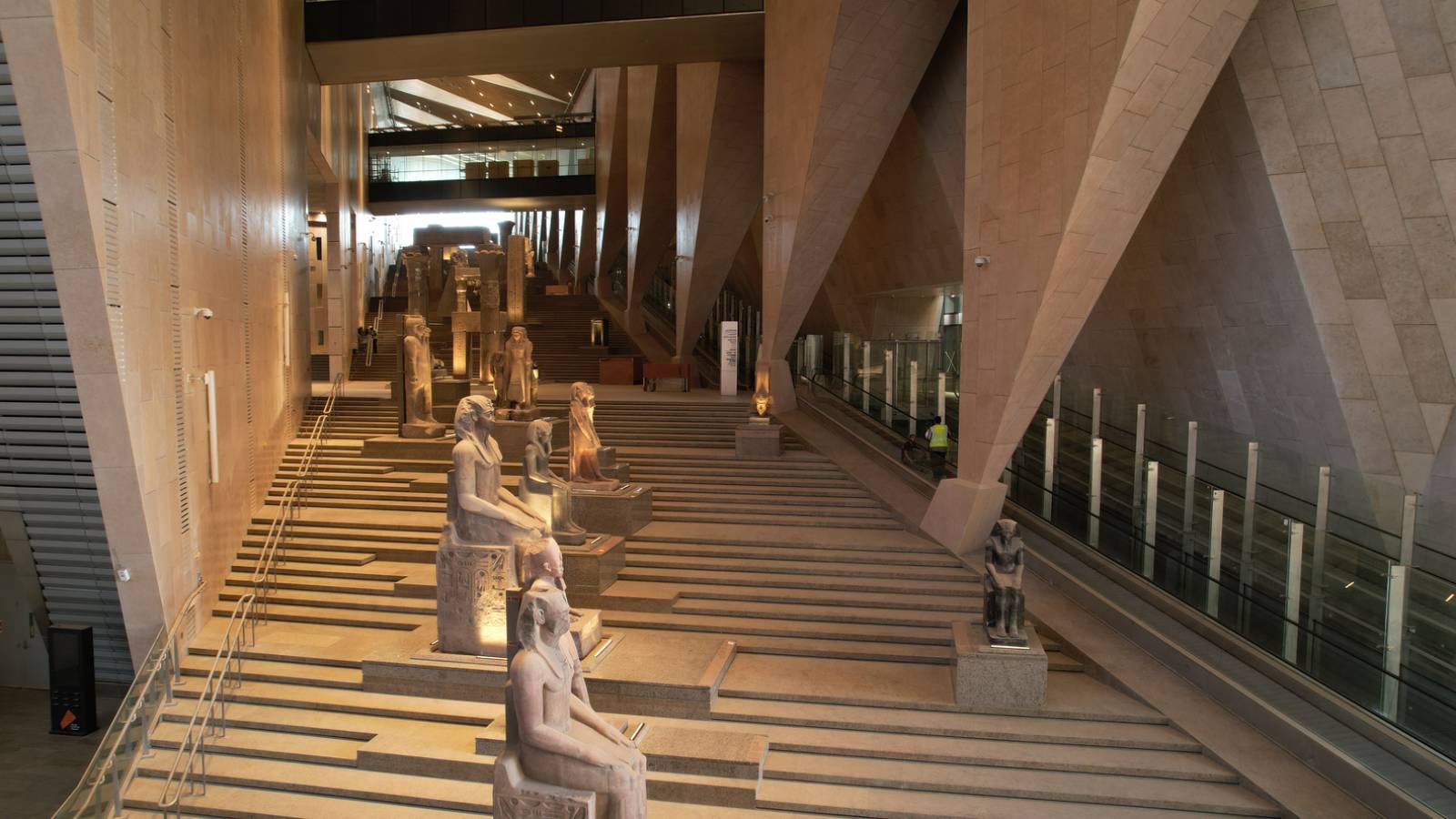
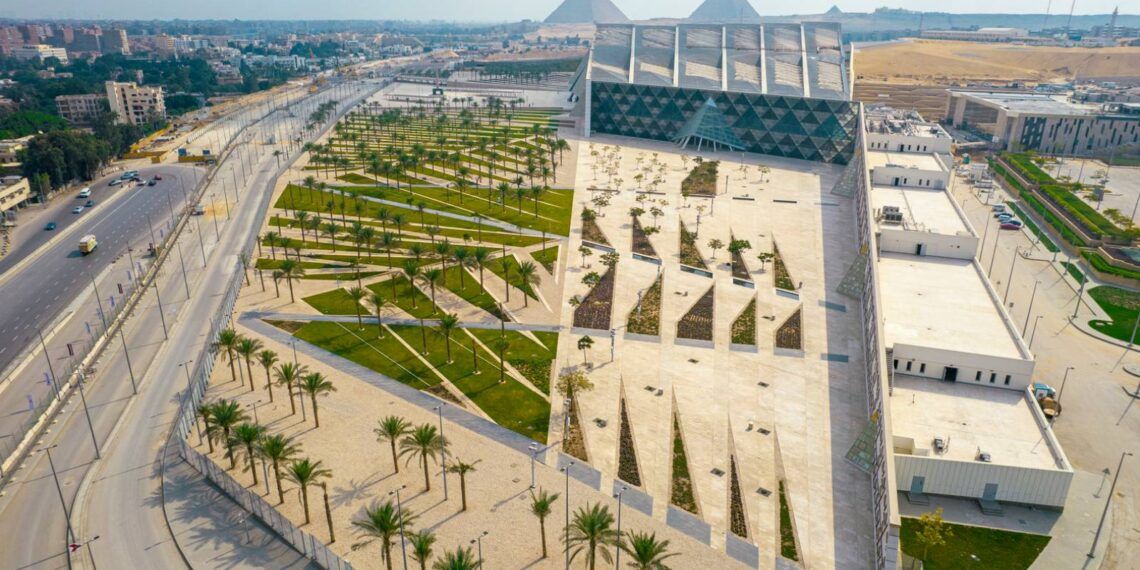
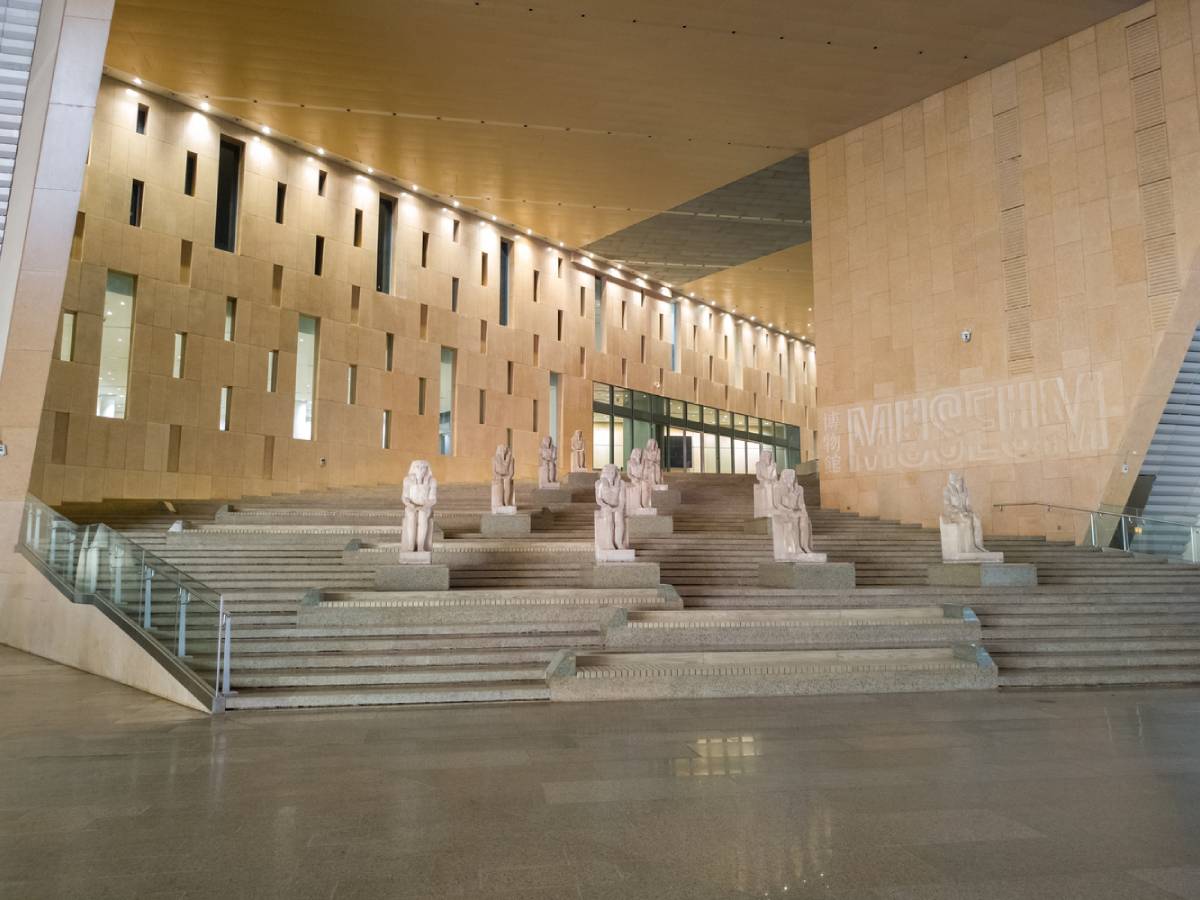
Located less than two kilometres from the Giza Pyramids, the museum covers more than 500,000 square meters and was designed by the Irish firm Heneghan Peng Architects, winner of the international competition launched in 2003. Their design is characterised by a contemporary geometry that visually dialogues with the historic topography of the surroundings, integrating direct views of the pyramids and an interior circulation defined by a large monumental staircase.
The project has been backed by an investment of over US $1 billion, financed through a combination of Egyptian public funds, international loans and multilateral cooperation, including technical support from Japan and multilateral organisations. Its execution traversed multiple political and global events, from the Arab Spring to the COVID‑19 pandemic.
Contents and museographic proposition
The Grand Egyptian Museum houses more than 100,000 artifacts of Egyptian archaeological heritage, many of them exhibited for the first time. Among its main attractions is the complete collection of objects from Pharaoh Tutankhamun, comprising more than 5,000 items, now reunited in one place for the first time since their discovery in 1922.
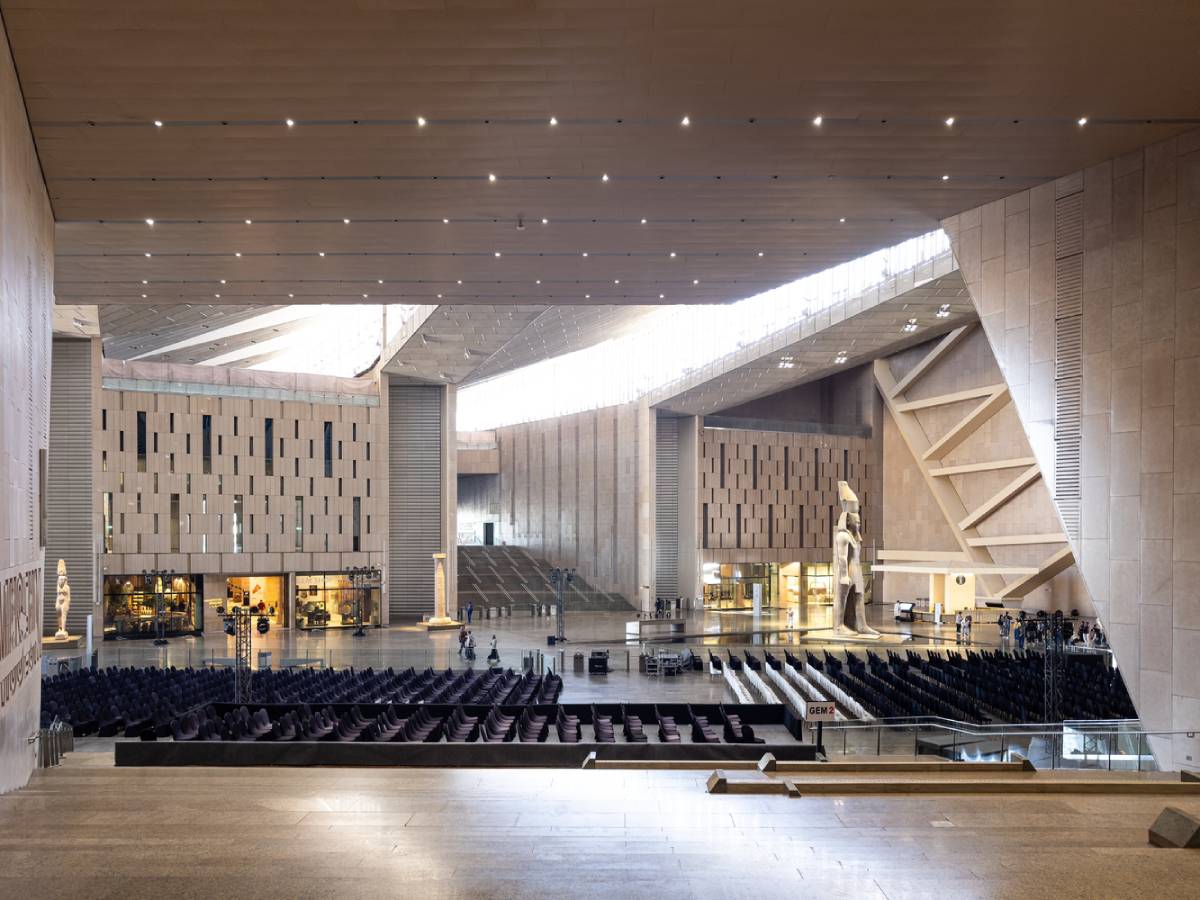
Another central element is the imposing statue of Ramses II, 11 metres high and weighing 83 tonnes, which greets visitors in the main lobby. Also notable is the exhibition of the solar boats of Pharaoh Khufu, recently restored and transferred from their original location beside the Great Pyramid.
The museography is structured around three major thematic axes — royalty, society and beliefs — and spans more than 3,000 years of history, from the predynastic period through to the Greco‑Roman era. In addition to its galleries, the complex features 17 conservation laboratories, educational zones, spaces for temporary exhibitions and visitor services.
Implications for African architecture and development
Beyond its museological function, the GEM represents a significant example of how contemporary architecture can integrate with heritage and become a driver for regional development. The scale, design and ambition of the project position it as a new reference point in the architectural landscape of the African continent.
The building proposes a formal and technical solution adapted to the local climate, with extensive use of limestone and glass on the façade, generating interior conditions suitable for the conservation of archaeological pieces, while offering a monumental yet accessible visitor experience.
For the construction sector in Africa, the GEM sets a precedent concerning international cooperation, management of large‑scale cultural infrastructure and urban planning integrated with a tourism vocation.
Tourism, culture and international projection
The Egyptian government has identified the GEM as a central piece of its tourism revitalization strategy, with the aim of doubling the number of visitors to the country by 2030. The museum’s strategic location — 20 minutes from Cairo airport and alongside one of the Seven Wonders of the World — makes it a key attraction point for both local and international audiences.
The official inauguration was attended by national authorities, diplomatic delegations and media from around the world. A series of cultural activities and exhibitions are planned in the coming months to consolidate the museum as a dynamic centre of knowledge and Egyptian identity.
A new chapter for the continent
The Grand Egyptian Museum is not just a milestone for Egypt but also for the African continent. Its opening marks a turning point in how African countries can approach the management of their heritage from a contemporary, technological and forward‐looking perspective. It also opens new possibilities for professionals in architecture, interior design and construction who wish to integrate innovation, identity and sustainability in large‐scale cultural projects.