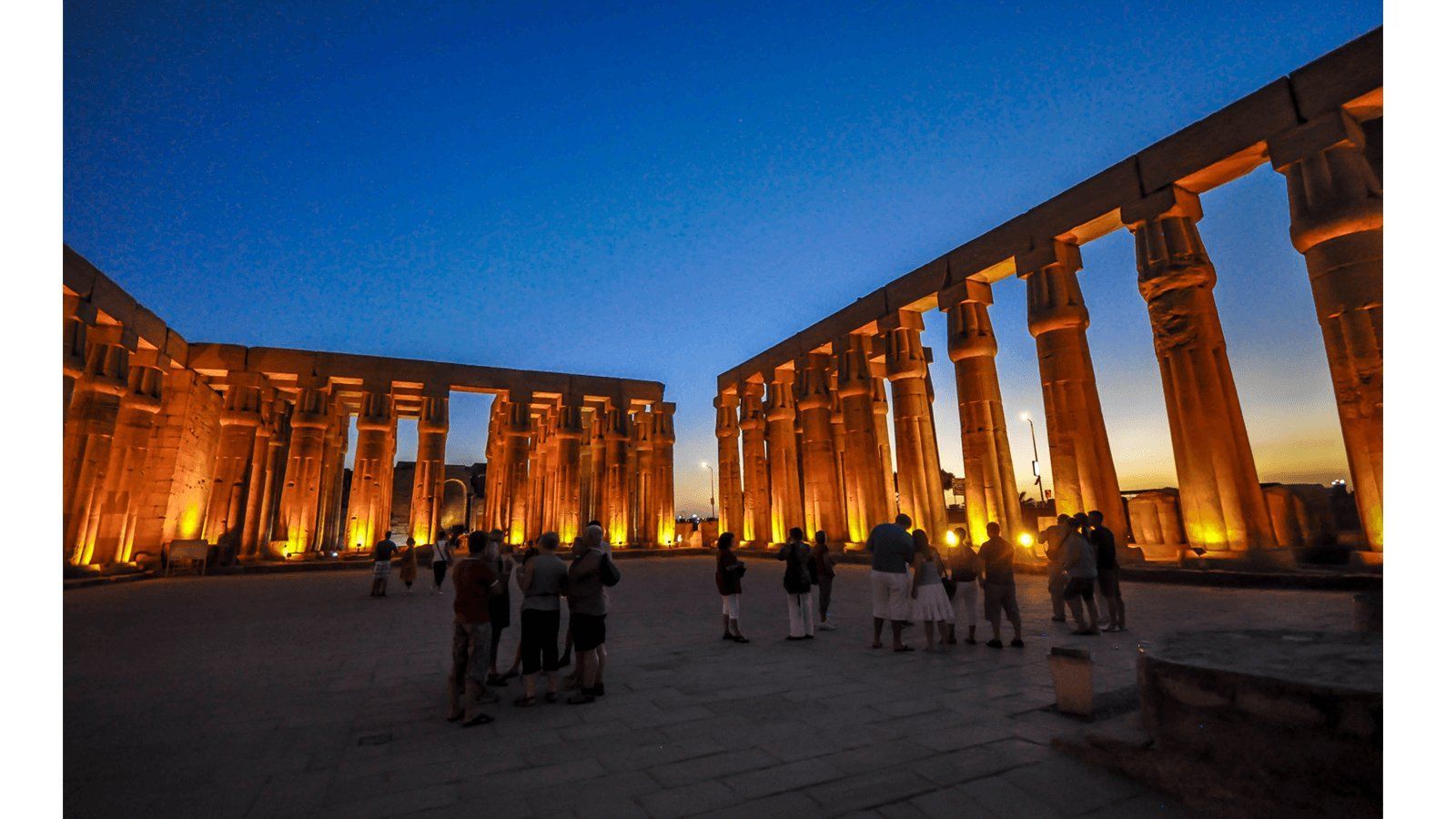
UNESCO World Heritage Site since 1979.
Ancient Thebes (known to the ancient Egyptians as Waset), located along the Nile in modern-day Luxor, served as Egypt’s capital during the Middle and New Kingdoms. It was a major religious, political, and economic center, renowned for monumental temples, grand mortuary complexes, and royal necropolises.
Ancient Thebes rose to prominence as Waset, the capital of Middle and New Kingdom Egypt, centered around the chief deity Amun. The Karnak Temple Complex—built over two millennia from the reign of Senusret I to the Ptolemies—features monumental pylons, the Great Hypostyle Hall with 134 massive columns, colonnaded avenues, and towering obelisks.
Adjacent, Luxor Temple served as the ceremonial heart of royal coronation rituals, particularly the annual Opet Festival, linked to Karnak by the Avenue of Sphinxes.
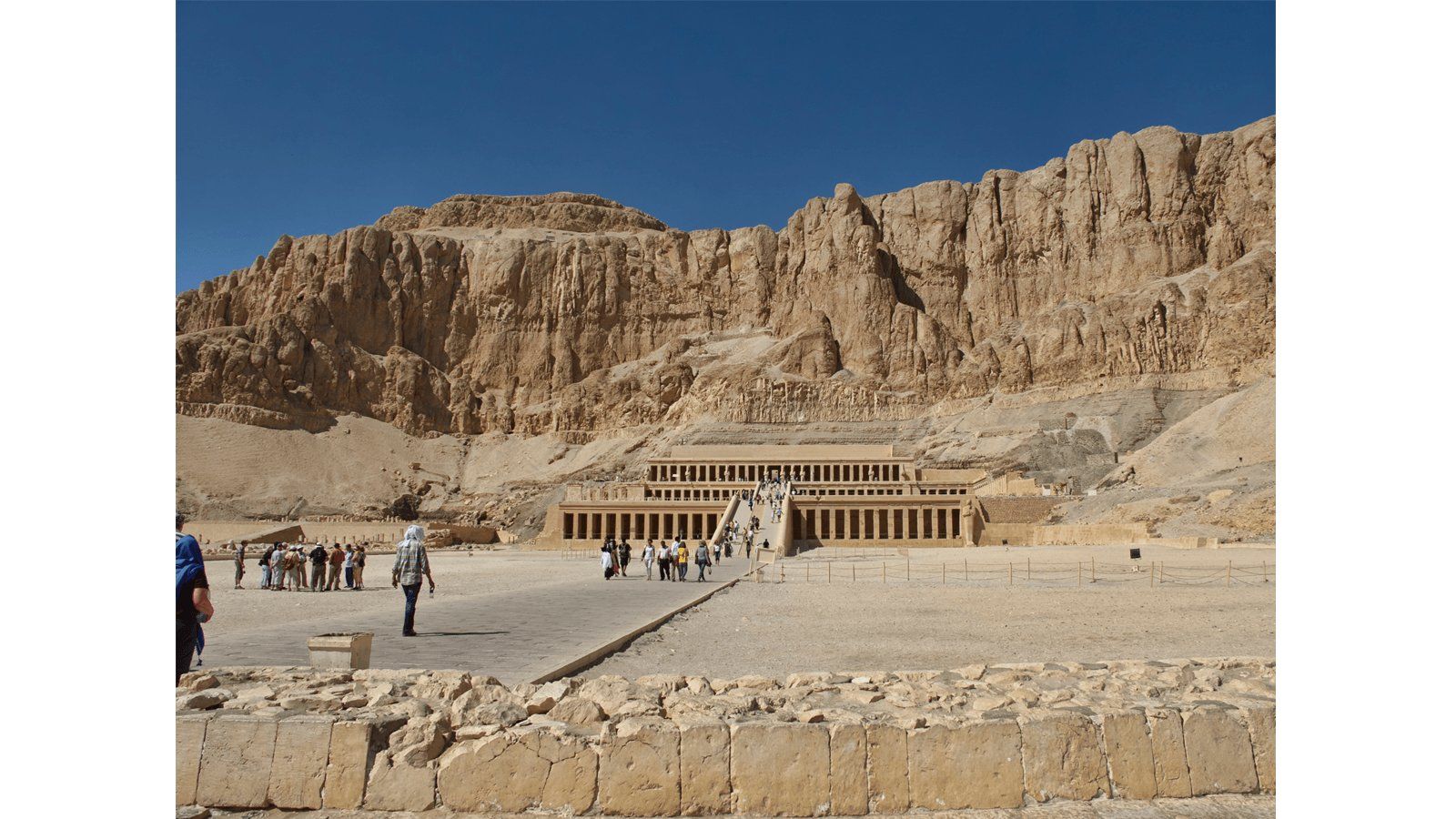
Across the Nile lies the Western Necropolis, where Pharaonic mortuary temples and tombs—including those of Hatshepsut, Ramesses II, and Tutankhamun—bear richly furnished burial chambers and reliefs chronicling theology, afterlife belief, and political symbolism.
Excavations continue to yield remarkable discoveries, such as recently unearthed non-royal temple-related tombs from the New Kingdom near Dra Abu el‑Naga, offering fresh insights into ancient funerary and social practices.
Today, Thebes remains an indispensable window into ancient Egyptian civilization at its zenith—spiritually, artistically, and architecturally—while evolving as a focal point for global heritage tourism and conservation efforts.
.
Sources: Wikipedia, UNESCO World Heritage Centre, Britannica, WorldHeritageSite, Live Science / Reuters.